
At Evio Group we talk a lot about pragmatic innovation. As we engage with new clients, pragmatic innovation means meeting the client where they are today. Many of these clients are on a journey from traditional product development processes to more agile or lean methods. Time after time our clients ask us to assess their current progress toward becoming more agile.
It’s work worth doing. Getting an outside assessment can be helpful along any journey. But why do companies start down an agile path? Is it for better product outcomes? Faster time to market? Attracting key talent? Yes. And there’s more. Alignment. From an overall alignment of company objectives and team incentives, to product and technology team alignment. Even getting the executive team aligned. But perhaps most importantly, getting the product development team aligned to customer and market demands. We will dive into customer and market alignment in the near future, but let’s talk about the very real, very tangible benefits of internal alignments that agile can facilitate.
What is Agile Methodology?
Definition
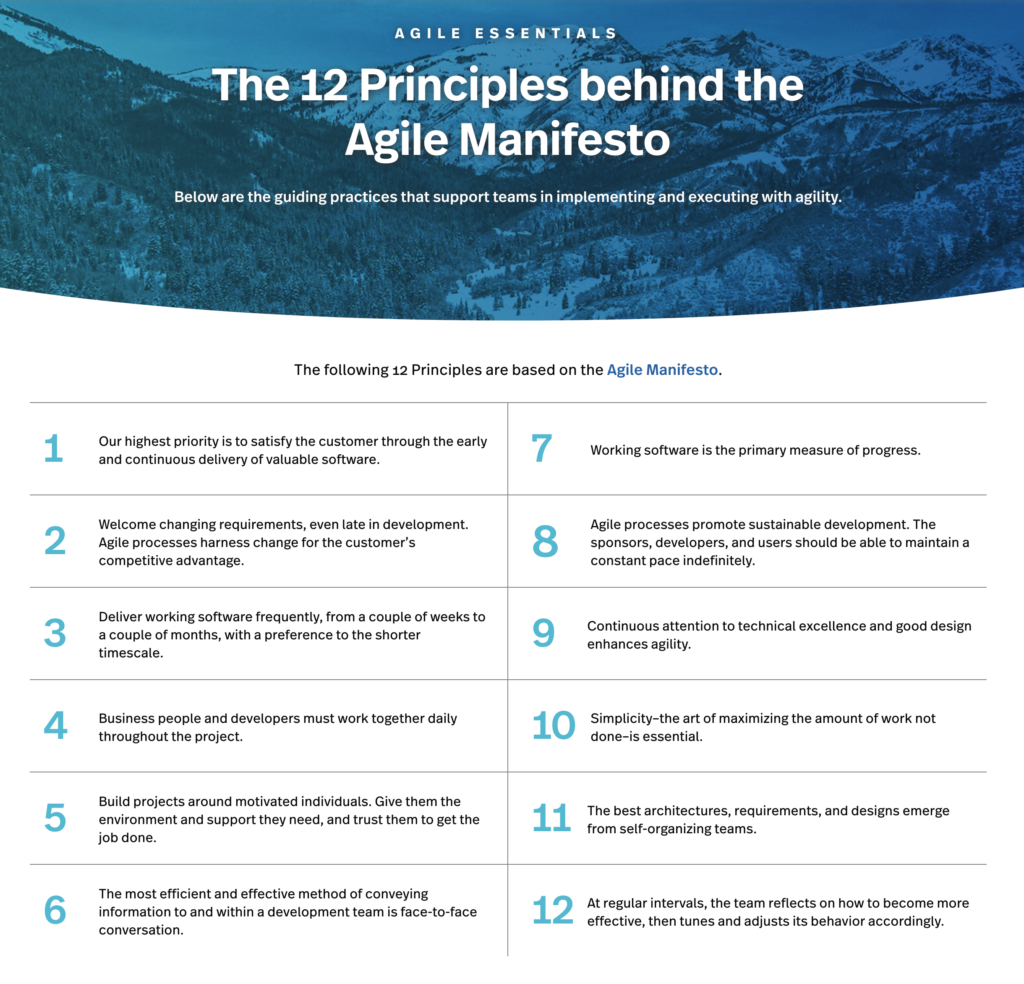
The agile method is an iterative and collaborative approach to project management that prioritizes adaptability and flexibility. It is commonly utilized in technology product management to enhance efficiency and responsiveness in product development. By promoting regular communication and collaboration between cross-functional teams, the agile method fosters product development team alignment and ensures that product and software development are well-aligned. This methodology enables faster feedback cycles, promotes continuous improvement, and allows for quick adjustments to changing requirements. The impact of Agile Methodology on Technology Product Management is well understood. Many studies have explored the benefits and implications of implementing agile practices in the context of technology product management.
Principles
The core principles of agile involve iterative and collaborative project management, adaptability, and flexibility. Agile is widely used in technology product management to improve efficiency and responsiveness in product development. It emphasizes regular communication and collaboration among cross-functional teams, facilitating alignment within the product development team and ensuring synchronization between product and software development. This methodology enables faster feedback cycles, continuous improvement, and the ability to make quick adjustments to changing requirements.
Benefits
Agile methodology in technology product management offers several benefits. Firstly, it promotes product development team alignment by fostering regular communication and collaboration among cross-functional teams. This alignment ensures that all team members are working towards a common goal, resulting in increased efficiency and productivity. Secondly, agile methodology facilitates product and software development alignment. By emphasizing synchronization between these two areas, it enables a smooth and streamlined development process, reducing delays and improving overall quality.
Additionally, agile methodology allows for faster feedback cycles, enabling teams to gather valuable insights and make timely adjustments to meet changing requirements. Furthermore, it promotes continuous improvement by encouraging regular reflection and adaptation, resulting in enhanced product outcomes. Finally, the flexibility of agile methodology allows teams to respond quickly to market changes and customer feedback, leading to greater customer satisfaction and business success.
Agile’s Influence on Product Development
Enhancing Collaboration
Agile methodology greatly enhances collaboration within a product development team. By promoting open and transparent communication, team members are able to align their goals and objectives from the beginning of a project. Regular check-ins and feedback sessions further ensure that everyone stays on track and maintains alignment throughout the development process. This collaborative approach minimizes misunderstandings and fosters a strong sense of teamwork, leading to more successful project execution and improved product outcomes.
Agile methodologies have transformed the landscape of software development and project management by emphasizing flexibility, collaboration, and customer-centricity. This approach directly impacts key aspects of project delivery, including increasing flexibility, improving time-to-market, and enhancing customer satisfaction. Here’s how Agile achieves these outcomes:
Increasing Flexibility
- Adaptability to Change: Agile methodologies, such as Scrum, Kanban, and Lean software development, prioritize adaptability and responsiveness to change over strict adherence to a predefined project plan. This flexibility allows teams to pivot quickly in response to feedback, market shifts, or new insights, ensuring the product remains relevant and competitive.
- Iterative Development: By breaking down the project into smaller, manageable iterations or sprints, Agile teams can adjust their focus and priorities based on the most current business needs and customer feedback. This iterative process allows for continuous refinement and adaptation of the product, services, or solutions being developed.
Improving Time-to-Market
- Incremental Delivery: Agile methodologies advocate for the development of products in incremental, workable versions. This approach enables teams to release segments of the product to the market more quickly and frequently, reducing the overall time-to-market compared to traditional waterfall methods.
- Cross-functional Collaboration: Agile teams are typically composed of cross-functional members who work collaboratively throughout the project lifecycle. This setup minimizes delays caused by handoffs and dependencies, accelerating the development process and enabling faster delivery of features.
Enhancing Customer Satisfaction
- Customer Involvement: Agile places a strong emphasis on customer involvement and feedback throughout the development process. By engaging customers or end-users early and often, teams can ensure the product meets actual user needs and expectations, leading to higher customer satisfaction.
- Quality Focus: Continuous integration, testing, and delivery are integral parts of Agile methodologies. This emphasis on quality from the outset, coupled with regular reviews and adjustments, helps in identifying and addressing issues promptly, ensuring a higher quality product is delivered to the customer.
- Value-driven Prioritization: Agile teams prioritize work based on customer value, focusing efforts on features and enhancements that offer the greatest impact. This approach ensures that resources are allocated efficiently to deliver maximum value to customers and stakeholders.
Aligning Product Development Teams
Importance of Team Alignment
Getting a product development team aligned and on the same page is crucial for successful project execution. To achieve this, establish clear goals and objectives from the start, ensuring everyone understands and agrees upon them. Encourage open and transparent communication among team members, fostering collaboration and minimizing misunderstandings. Regular check-ins, progress updates, and feedback sessions are also vital for maintaining alignment throughout the development process.
Challenges in Alignment
Aligning product management and software development teams is crucial for the successful delivery of technology products. However, this alignment often faces challenges due to differences in goals, priorities, and processes between these groups. Here are the top 5 alignment issues commonly encountered:
1. Differing Objectives and Priorities
- Product Management: Focuses on market needs, customer satisfaction, and the overall success of the product in the market. They prioritize features and enhancements based on what will drive the most value for the customer and the business.
- Software Development Team: Concentrates on the technical feasibility, quality, and maintainability of the product. They might prioritize technical debt reduction or architectural improvements, which are not always immediately visible to customers or directly linked to market demands.
2. Communication Gaps
Effective communication between product management and development teams is vital. Misunderstandings or lack of clarity about product vision, feature requirements, or project timelines can lead to misaligned efforts and wasted resources. This includes discrepancies in understanding what needs to be built and why, which can result in features that do not meet customer needs or expectations.
3. Differences in Planning Horizons
- Product Management often works with longer-term roadmaps, focusing on strategic goals for the product over months or years.
- Software Development Teams typically work in shorter cycles, such as sprints in Agile methodologies, focusing on immediate tasks and deliverables. This difference can create tension when long-term strategic initiatives need to be balanced with short-term development realities.
4. Varied Risk Tolerances
- Product Management might be more willing to take risks to capture market opportunities, pushing for aggressive timelines or the inclusion of cutting-edge features.
- Software Development Teams may advocate for a more cautious approach to ensure quality, stability, and security, preferring to take the necessary time to address these concerns adequately.
5. Resource Allocation Conflicts
Decisions about how to allocate limited resources, including time, budget, and personnel, can lead to conflicts. Product management might push for more resources to be allocated towards new features or growth initiatives, while the development team might need more resources dedicated to technical infrastructure, refactoring, or addressing technical debt.
Strategies for Addressing Alignment Issues
- Implementing Agile Practices: Agile methodologies can help bridge the gap between product management and software development teams by fostering closer collaboration, frequent communication, and iterative delivery.
- Regular Alignment Meetings: Regularly scheduled meetings between product managers and development leads can ensure ongoing alignment on priorities, risks, and resource needs.
- Shared Objectives and Key Results (OKRs): Establishing shared goals that both product management and development teams are accountable for can help align efforts towards common outcomes.
- Cross-functional Teams: Creating teams that include roles from both product management and software development can improve understanding and empathy between the groups.
- Clear Communication Channels: Ensuring that there are effective tools and processes for communication and documentation can reduce misunderstandings and keep both teams informed about changes in priorities or requirements.
By recognizing and proactively addressing these alignment issues, organizations can improve collaboration between product management and software development teams, leading to more successful and timely product outcomes.
Strategies for Achieving Alignment
- Define Clear Goals: Establishing clear goals and objectives from the beginning ensures that everyone on the team understands and agrees upon the direction of the project.
- Foster Open Communication: Encourage open and transparent communication among team members to promote collaboration and minimize misunderstandings. This can be achieved through regular meetings, brainstorming sessions, and effective use of communication tools.
- Regular Check-ins and Progress Updates: Conduct regular check-ins and progress updates to keep everyone on the same page. This allows for timely identification of any roadblocks or issues and enables the team to make necessary adjustments.
- Foster a Collaborative Environment: Create an environment that promotes teamwork and collaboration. Encourage knowledge sharing, cross-functional collaboration, and a sense of collective ownership for the success of the project.
- Provide Continuous Feedback: Regularly provide feedback to team members to help them continuously improve and align their efforts. This feedback should be constructive, specific, and focused on individual and team growth.
Remember, aligning product development teams is crucial for successful project execution and improved product outcomes. By implementing these strategies, you can enhance team alignment, increase flexibility, improve time-to-market, and ultimately enhance customer satisfaction.

Conclusion
The Agile methodology offers a dynamic and flexible approach to project management and software development. By fostering an environment that adapts to change, focuses on delivering customer value, and emphasizes early and continuous delivery, Agile methodologies help organizations improve flexibility, reduce time-to-market, and enhance customer satisfaction. These benefits not only lead to more successful project outcomes but also contribute to building stronger, more responsive, and customer-focused organizations. We’d love to assist you on your agile journey.
Follow us on social media